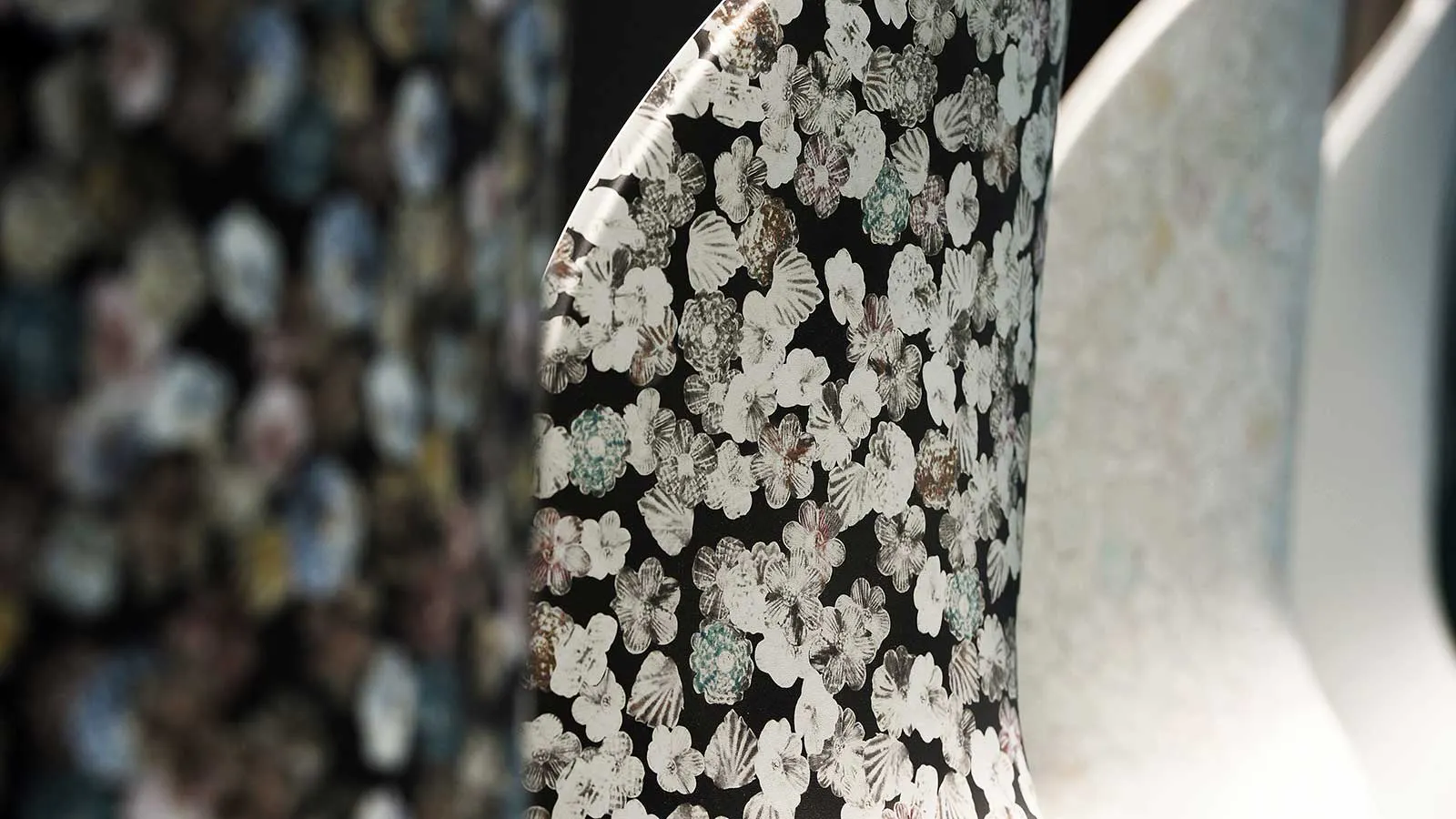

How thoughtful CMF choices shape the passenger experience, even when the best details go unnoticed

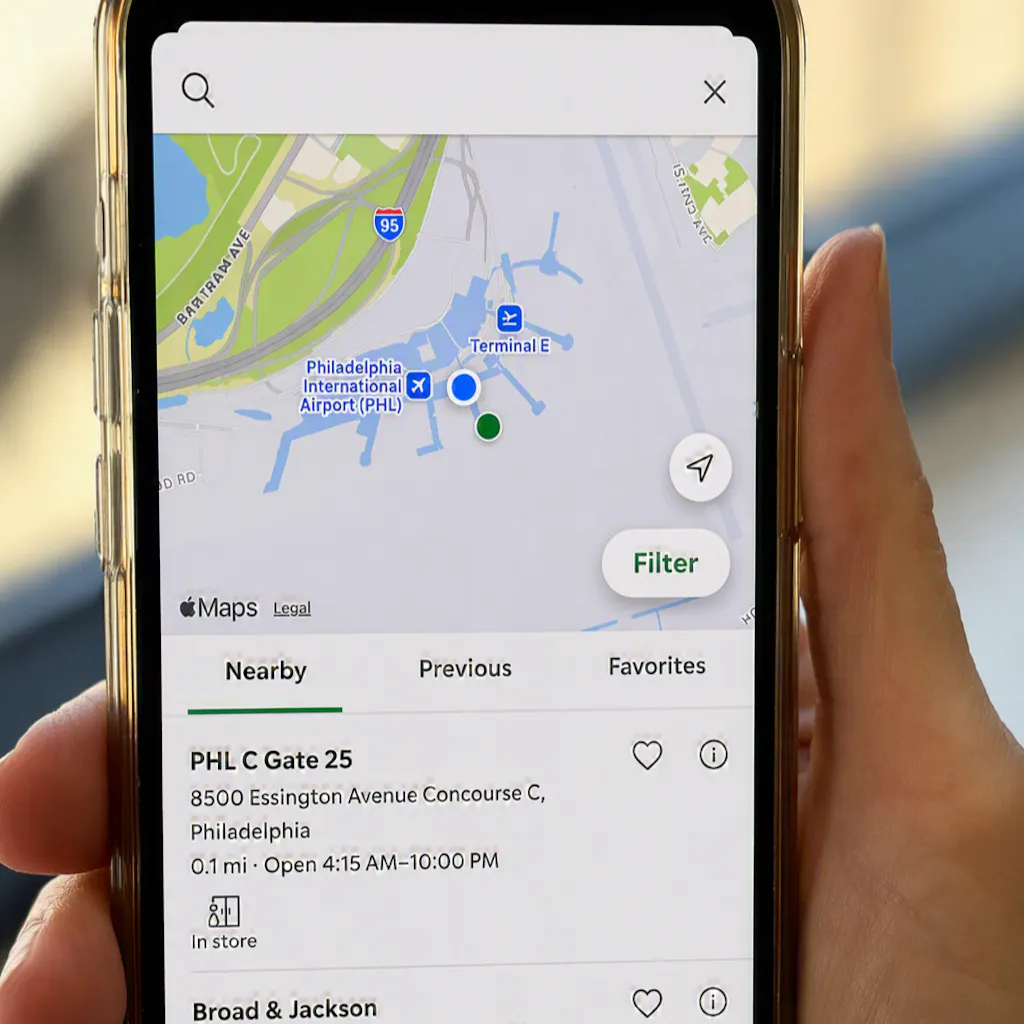
Every once in a while, I catch myself taking something for granted that would have completely amazed me not that long ago. I still drive a 2015 car, so when I need directions, I pull them up on my iPhone. I know — old school now — but still, it’s pretty incredible that this small device knows where I am, where I’m going, what traffic looks like, and whether I should take a different route. Better yet, as a frequent flyer, I appreciate being able to move through TSA PreCheck using Touchless ID on my phone, get a gate change alert before the airport announcement is made, or order my Starbucks through the app so it’s waiting for me on the way to my gate — assuming I choose the right location.
It makes me smile, because not that long ago, those kinds of advances would have stopped us in our tracks. They would have felt like the future arriving early. Then they worked. Then they became useful. Then, quietly, they became expected.
I think transportation designers understand that shift especially well because passengers bring their daily-life expectations with them. They don’t leave them at the boarding door. If they can wirelessly charge their phone in a hotel lobby, café, or airport lounge, it makes sense that they expect that same ease onboard. If every app, screen, and car interface in their life feels intuitive, a seat control or lighting cue should feel just as clear. Lie-flat seats on narrow-body flights are a good reminder of how quickly something that once felt exceptional becomes part of the comparison set.


The challenge, of course, is that aviation doesn’t move at the speed of a phone update. It can take up to five years or more for a new technology or interior detail to make its way from idea to certified aircraft cabin.


Passenger expectations are a good thing because they help move the industry forward. In my 25 years working in airline marketing, I learned that thinking like the customer was paramount. But it’s worth pausing now and then to appreciate what is behind the developments that feel so simple. In transportation interiors, the details that disappear into the experience are often the ones that required the most thought. Nothing can ever be just beautiful – each element has to perform. Solutions need to be durable, easy to clean, and most of all, pass rigorous certification requirements.
That’s why good design matters. Thoughtful choices often do more than one thing at once, like a beautiful woodgrain that provides a natural material cue for a certified interior, a charging symbol that’s seamlessly integrated into the surface, or a graphic that subtly reveals the carrier’s identity when lit from behind. These quiet details can enhance the overall customer experience without calling attention to themselves.
That’s where Infused Imaging™ comes in. This proprietary technology can translate creative intent into something aesthetically pleasing while remaining durable, repeatable, and real. But that translation doesn’t happen on its own. It takes someone like Becky Gallup, our talented CMF Design Manager, to understand the original idea, respect what makes it meaningful, and create something that can stand up to the realities of material, manufacturing, and certification.


Becky’s expertise and design savviness have been essential to the growth of Infused Imaging™ since its inception in 2012. What began as a simple napkin sketch for an Air China design called “Clouds” quickly evolved into more challenging woodgrains and color work. What has been exciting to watch is how sophisticated the work itself has become. A 2014 Crystal Cabin Award winner, Infused Imaging™ is not just a way to add a graphic to a surface. It’s a process that supports complex color development, repeatable layouts, registration marks, routing lines, and even the way a design changes when light passes through Lumina™.
Becky’s role has grown with that complexity. She is currently helping solve distortion issues for complex 3D shapes and overseeing sample development for the next round of Infused Imaging™ chains, expected to debut in 2027. Intended originally as inspiration, many of the infused designs on the current chain have made it onto new aircraft programs.

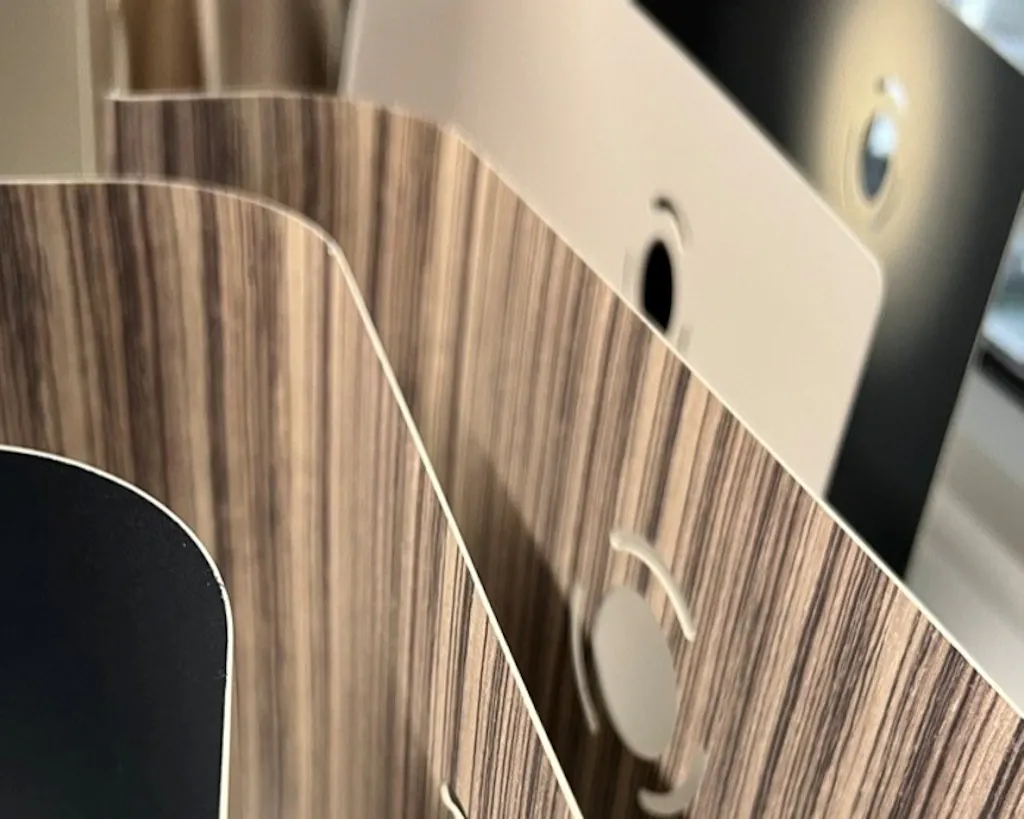

Infused Imaging™ is not limited to aviation. Becky’s rail work has contributed to two award-winning interiors concepts with German rail designers. For Hamburg’s IdeenzugUrban S-Bahn concept, that meant creating a light woodgrain surface replete with wireless charging symbols, green S-Bahn logos, and other graphic details incorporated directly into the durable substrate. After her design work was completed, Becky’s clever layout helped the appLab® team CNC cut multiple parts from single sheets of material, supporting efficiency, consistency, and performance while still respecting the design intent.

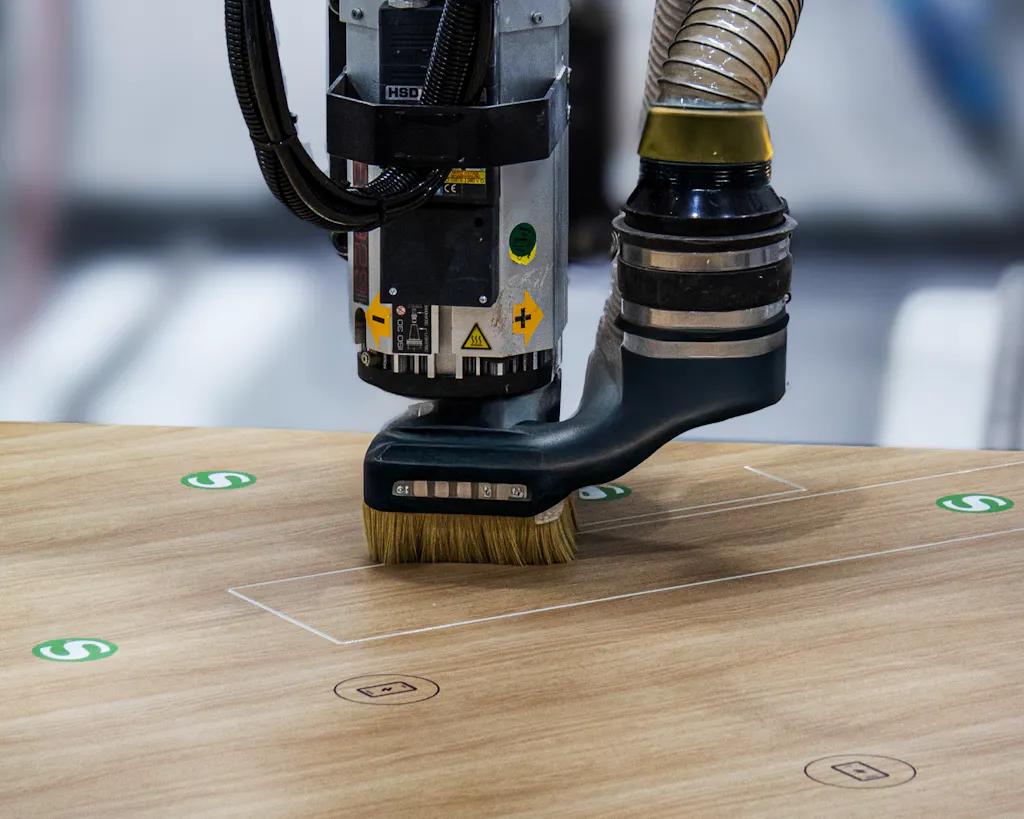


What I love about the finished results of many of Becky’s projects is that it doesn’t feel like technology trying to prove a point. Customers may simply see an inviting surface, know where to charge their phone, recognize the transit identity, and settle in for an enjoyable ride. That kind of quiet clarity is easy to underappreciate because, when it works, it feels obvious.
Obvious is not the same as easy
A lot of thoughtful work has to happen before a detail can feel that natural. CMF has become much more than choosing color, material, and finish. It’s become a way to communicate brand, guide behavior, simplify production, support maintenance, and create a connection through details that customers may never notice are there, until they are not.
And maybe, over time, to let something that once felt astonishing become part of what we simply expect from a well-designed environment.

Leave a Reply