
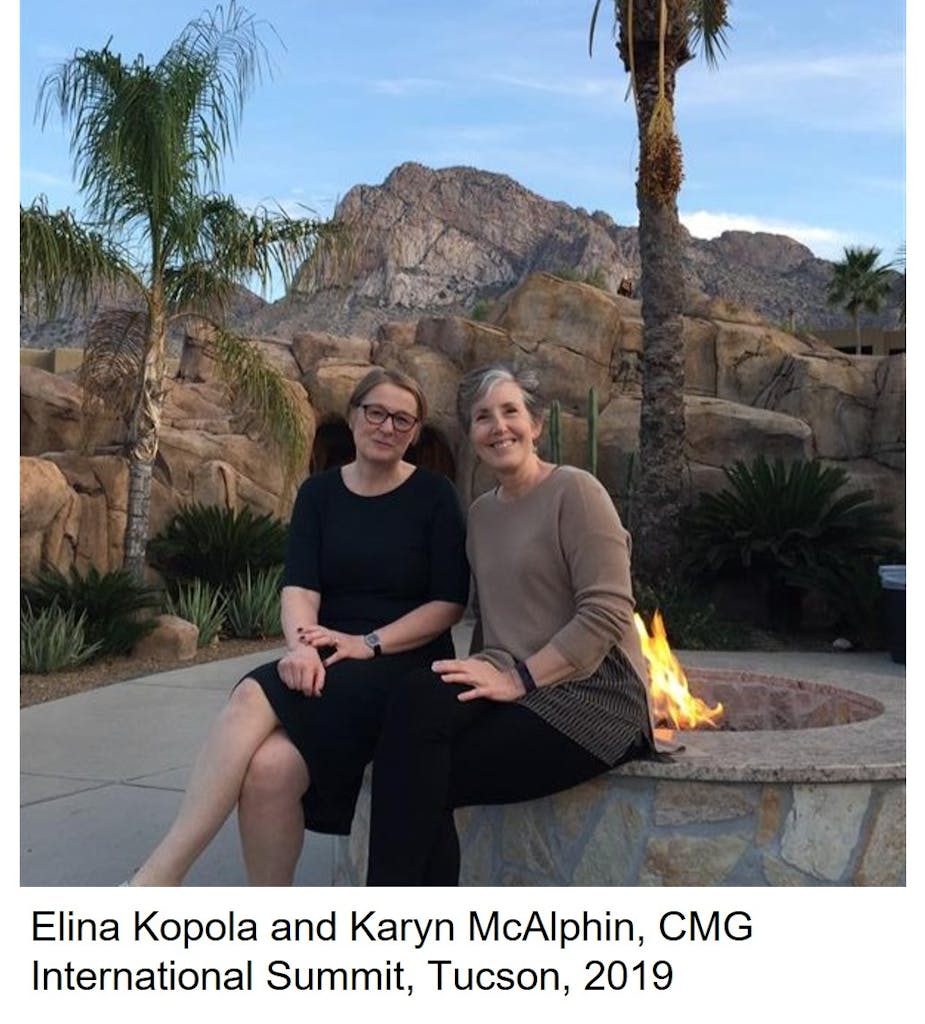
Welcome to 2026! When we launched the SEKISUI KYDEX designBrief™ last September, our goal was to create a design blog that takes inspiration beyond thermoplastics. Throughout the year ahead, I’ll be exploring design and color trends, sharing insights into the creative process, and occasionally referencing thermoplastics when it adds context or inspiration.
This month, I’m excited to kick off the year with a conversation about where designers find inspiration – starting with a Q&A featuring Elina Kopola, Founder and Design Director of TrendWorks and co-founder of the Green Cabin Alliance. Our response mechanism is now up and running, so I invite you to join the discussion and share your perspective in the comment section below.

Design Inspiration from the Finnish Archipelago
KM: Thanks for joining us, Elina! I’m eager to hear more about your thought process as a transportation interiors designer. Where do you draw inspiration?
EK: As a designer working in premium transportation interiors across aviation, automotive, and rail, I constantly balance innovation with manufacturability, and performance with emotion. My studio, TrendWorks, focuses on creating refined, durable design solutions where color, material, and finish play a central role in shaping brand experience. While my work is global, my design language has deep roots, firmly embedded in the Finnish archipelago where I grew up.
KM: I know you’ve lived in London for quite some time. How do you maintain your connection to your Finnish roots?

EK: I have not lived there for many years, but every summer I return. The journey back is not nostalgic in a sentimental sense; it is restorative. The archipelago recalibrates my eye. It reminds me how powerful subtlety can be, and how nature achieves richness through restraint, an idea highly relevant to aircraft cabin interiors, where every surface must justify its presence.

KM: Excellent point. Can you tell us more about how the Finnish archipelago informs your design decisions?
EK: The Finnish archipelago is defined by the blue Baltic Sea with ribbons of islands. Smooth granite rocks – ancient stone shaped slowly by ice, wind, and water – rise from the water in endless variation. They are never uniform, carrying quiet patterns, fine fissures, and soft transitions between light and shadow. In CMF terms, they are a masterclass in matte surfaces, mineral depth, and tonal nuance. There is no gloss here, yet immense visual richness. This sensibility informs my preference for calm, tactile finishes.
KM: That’s quite poetic, Elina! I can see why you say your visits are restorative in nature. Am I correct in assuming the sea plays a role in your design inspiration as well?
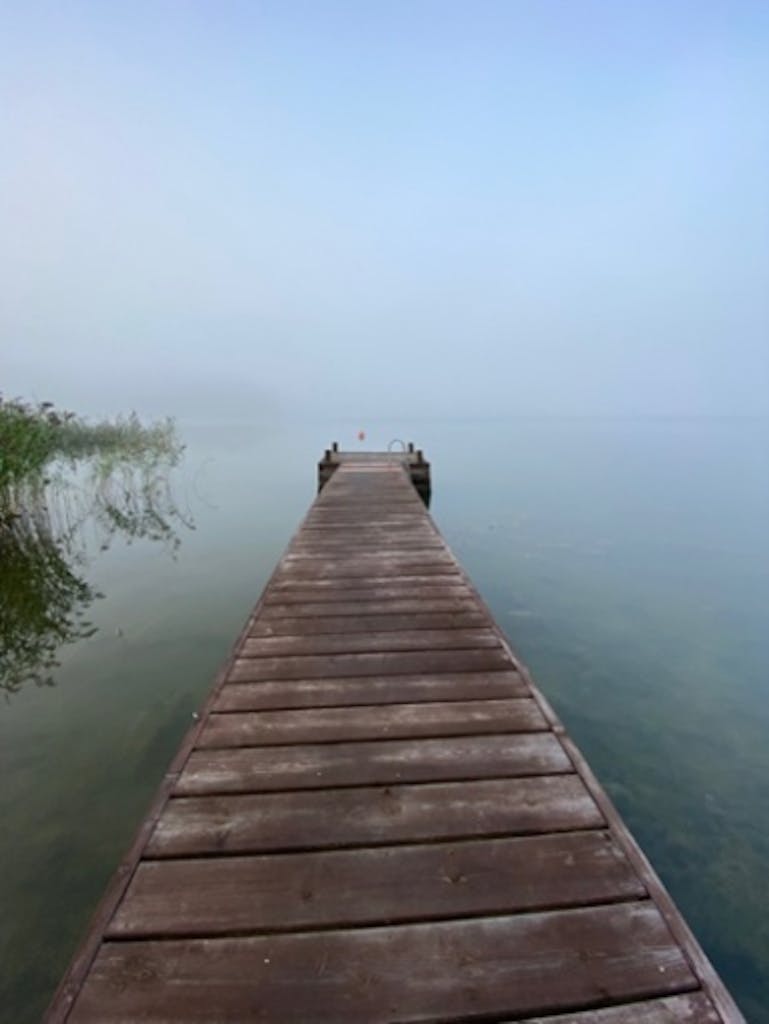
EK: Water is a constant presence. Light plays across its surface, never static, always changing. On clear days, it breaks into fine highlights; under clouds, it becomes a soft, diffused mirror. This relationship between light and surface strongly influences how I think about material reflectivity in cabin design, how to minimize glare while maintaining visual interest, how to let light move rather than demand attention, sometimes enhanced by subtle pearlescent pigments that respond gently to light and help interiors feel fresh over time.

KM: Having lived in both the Pacific Northwest and Southern California, I’ve experienced firsthand how light can define a region. The artist, David Hockney, was inspired by the quality of the light when he first visited Los Angeles – so much so that he relocated there from London! What has your experience been in the Finnish archipelago?
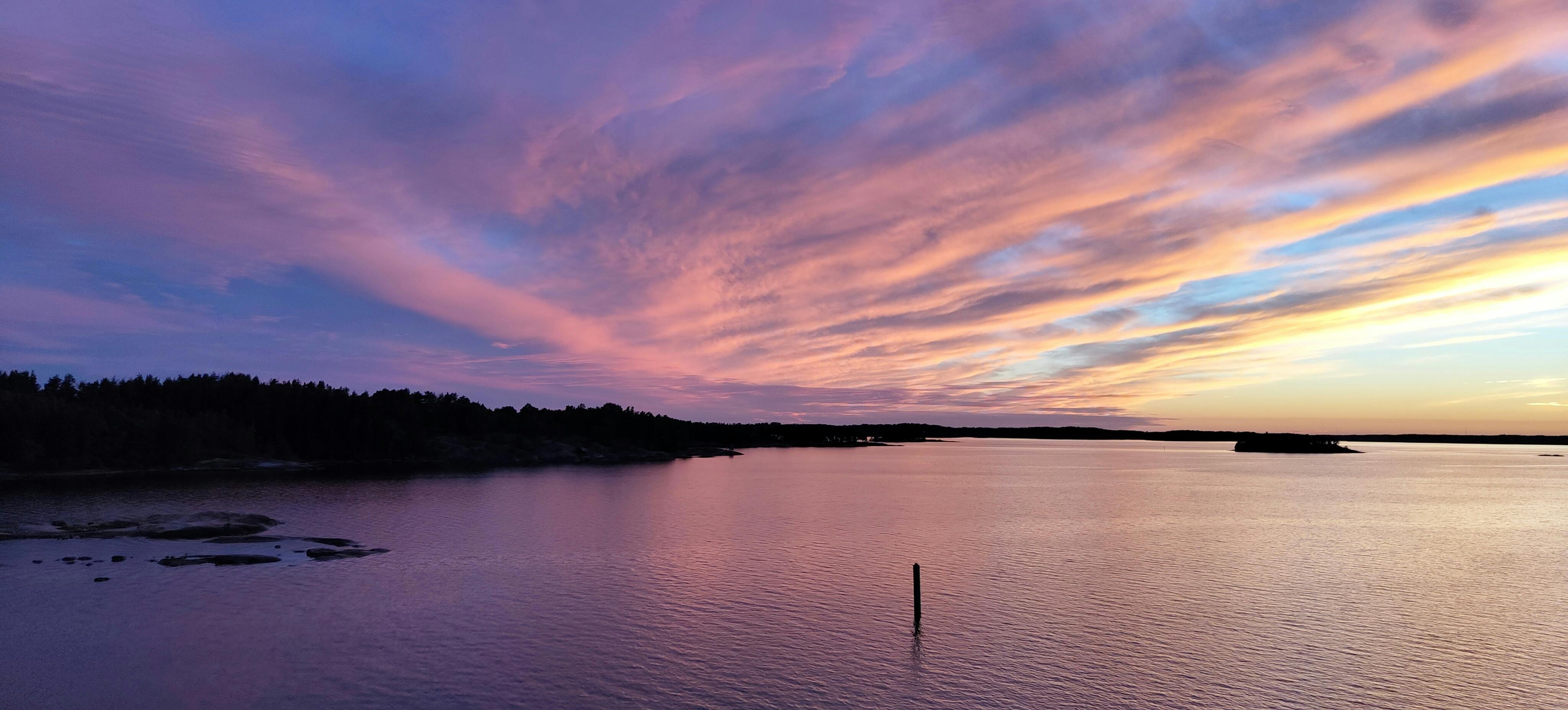
EK: The quality of light in the Nordics is distinctive. Sunsets are long and low, producing dramatic skies and expansive cloud formations. Colors are nuanced and layered: pale blues, warm greys, washed pinks, and deep indigos. The sky in the archipelago feels fundamentally different from the city, broader and more honest, encouraging palettes that are atmospheric rather than contrast-driven.

KM: And what about texture? That’s been a hot topic in CMF transportation interiors design over the past few years.
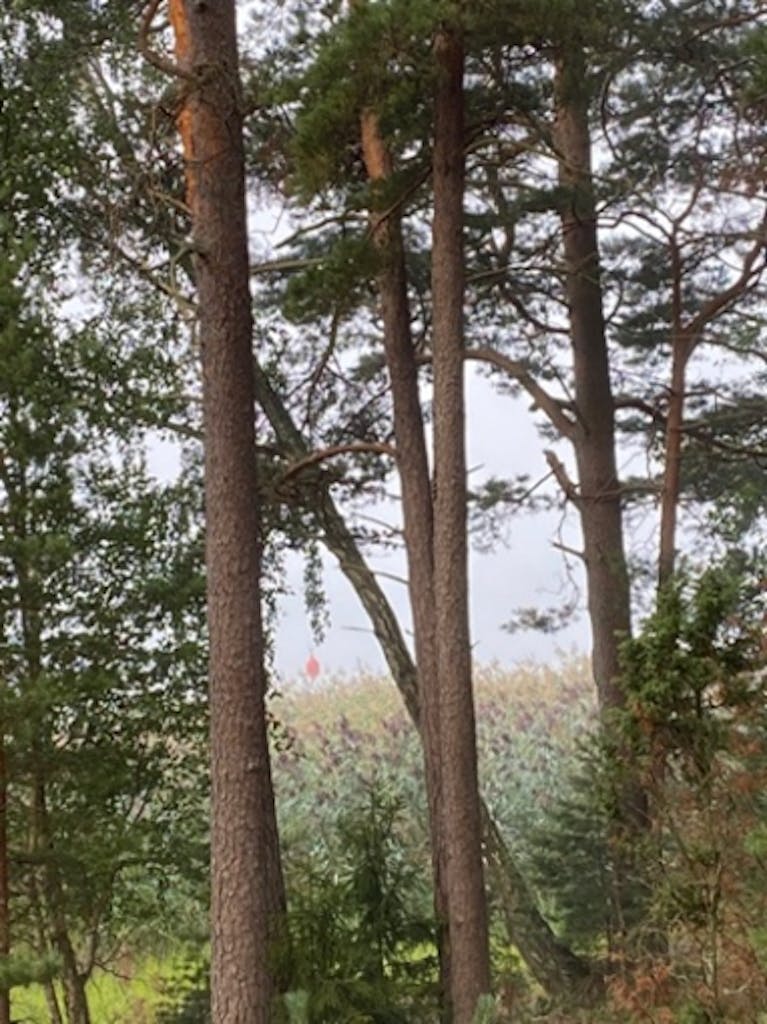
EK: I draw inspiration from the lichen, moss, and pine bark in the Finnish archipelago; it’s organic, irregular, and tactile. These surfaces are quiet yet expressive, reinforcing my belief that luxury does not require shine. It requires authenticity and sensory comfort. A premium aviation space should be felt with the fingertips as much as experienced visually.
Together, these influences shape how I approach CMF design: calm, human, durable, and emotionally resonant. These are qualities that I feel are increasingly essential in premium aircraft interiors today.
KM: Elina, thank you so much for sharing your vision with us. I’m delighted to feature you as our first guest designer and look forward to many more insightful discussions with your peers in the industry. You’ve set a high bar!

Elina Kopola Biography
Elina Kopola is the Founder and Design Director of TrendWorks. With over 30 years of experience defining consumer needs and developing color, material, and finish (CMF) strategies for some of the world’s leading brands, Elina’s work focuses on discovering and tracking trends, then distilling their commercial value to differentiate products through design. Elina’s methodology blends rigorous research, authentic discovery, and refined instinct to deliver actionable insights that enhance brand identity and the luxury travel experience. TrendWorks brings a strategic, research-driven approach to premium transport interiors, aligning CMF, brand values, and sustainability goals. Elina is also a co-founder of the Green Cabin Alliance, which supports industry collaboration around sustainable aviation interiors.

Leave a Reply