
Pressure Forming in Transportation and Medical Device Design
When I first hinted in the launch issue of the KYDEX® designBrief™ that I wanted to explore cross-pollination between transportation and medical device design, I knew it would spark curiosity. What could they possibly have in common? The answer is “more than you can imagine” – a common phrase here at SEKISUI KYDEX!
Although my background is in aircraft cabin interiors, I’ve always been fascinated by how an accepted approach in one industry can unlock new possibilities in another. Pressure forming is one such example – practically unheard of in aviation when I first started my career, but with the potential to transform the look, feel, and performance of transportation interiors.

Why Pressure Forming Deserves Designers’ Attention
Soon after joining SEKISUI KYDEX in 2017, I traveled with our Medical Market Business Manager, Mark Denning, visiting healthcare designers and OEM teams around the U.S. Although the applications were different from aviation, their needs felt immediately familiar. I was struck by how pressure forming enabled crisp definition, tight split lines, and seamless surfaces – aspects that I felt could elevate transportation interiors as well.
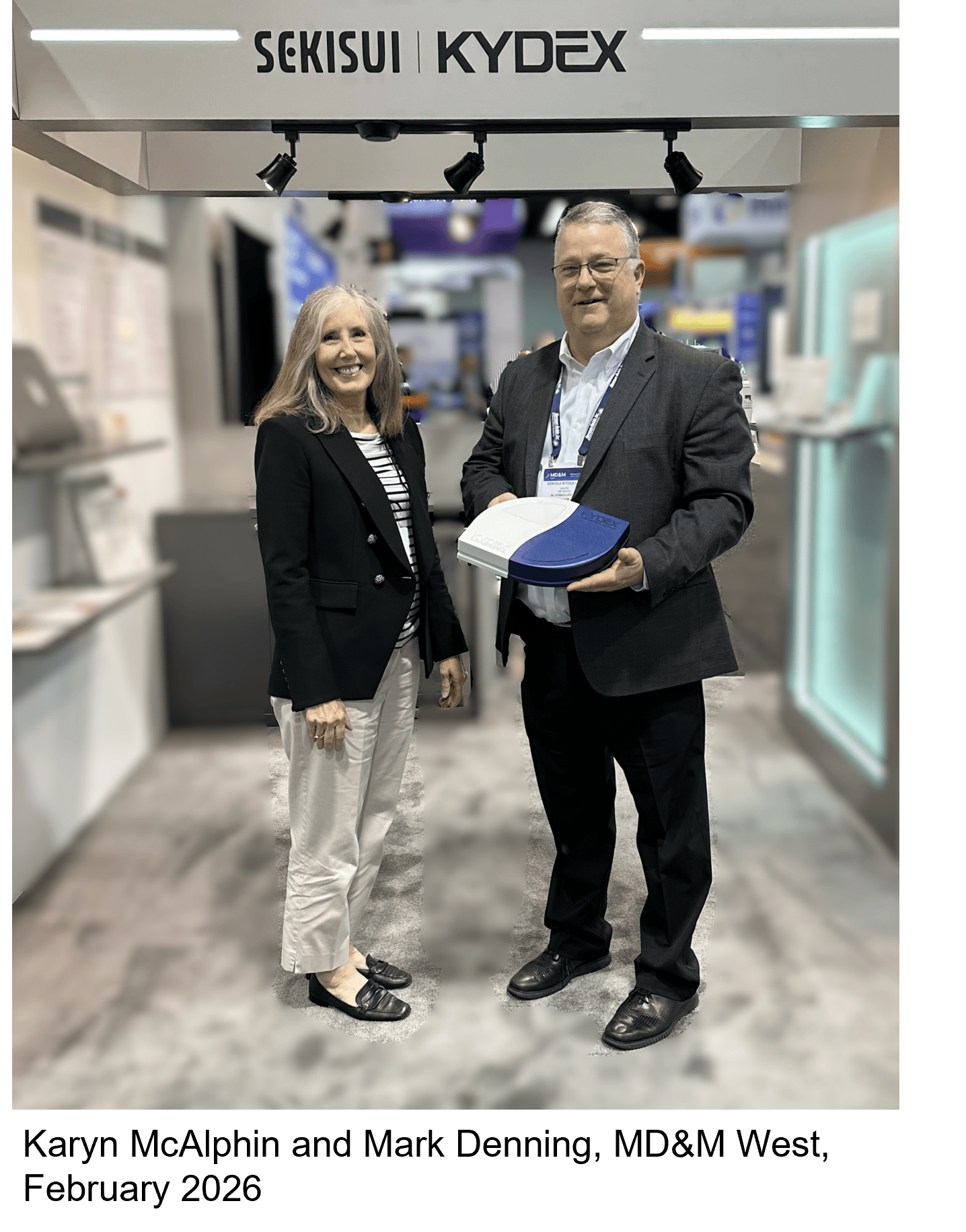
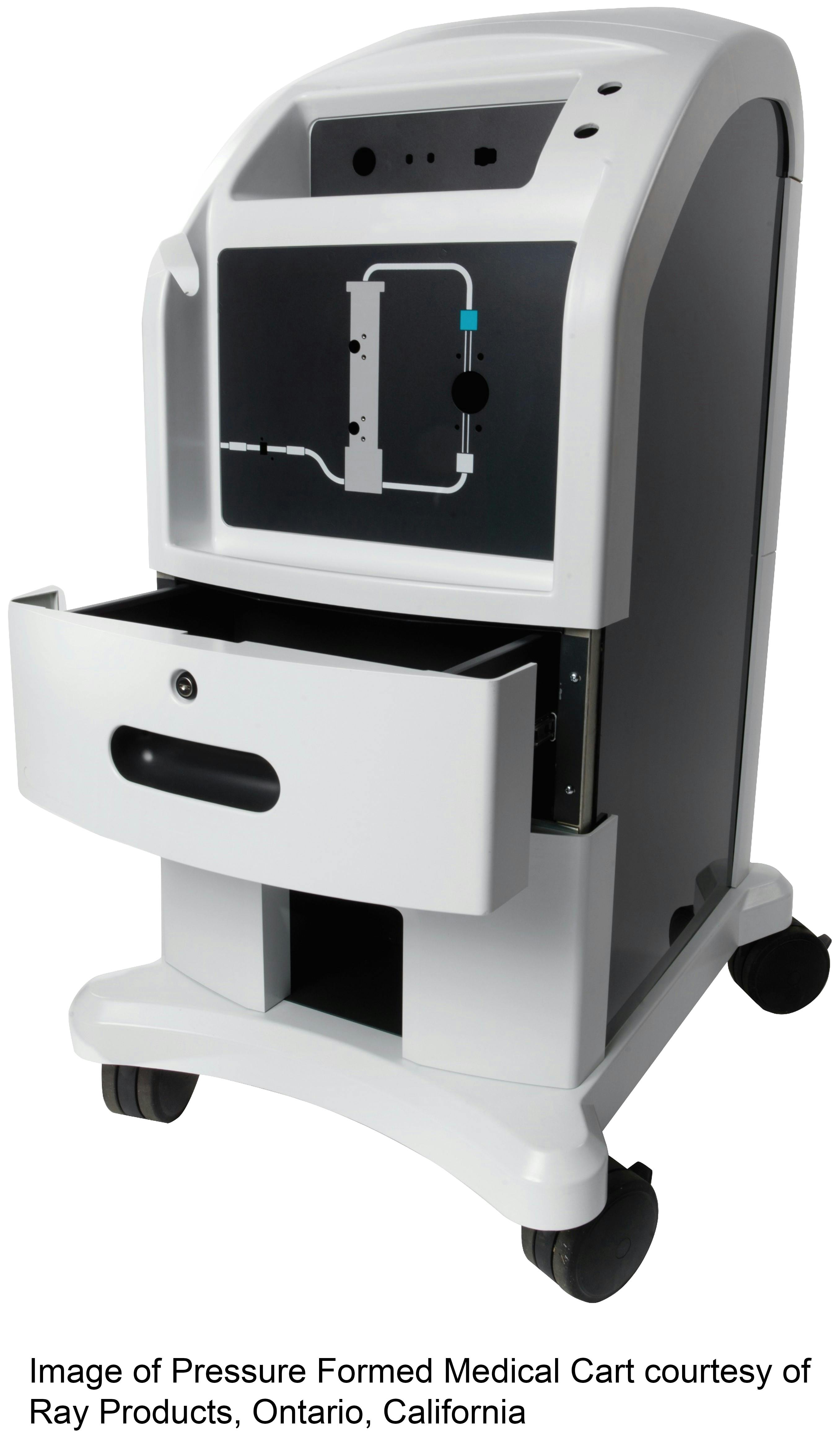
What I realized, based on those visits, was that pressure forming isn’t just a manufacturing technique in the medical device world – it’s a design philosophy refined through years of real-world application. These decisions go far beyond aesthetics; they are essential for hygiene, durability, and patient comfort. It amazed me to see how healthcare designers, with the support of skilled thermoformers, were able to take thermoplastics to the next level, achieving superior fit and finish with tight seams to reduce contamination and support rigorous cleaning protocols. It’s an approach that holds surprisingly relevant lessons for designers working well beyond the healthcare environment.
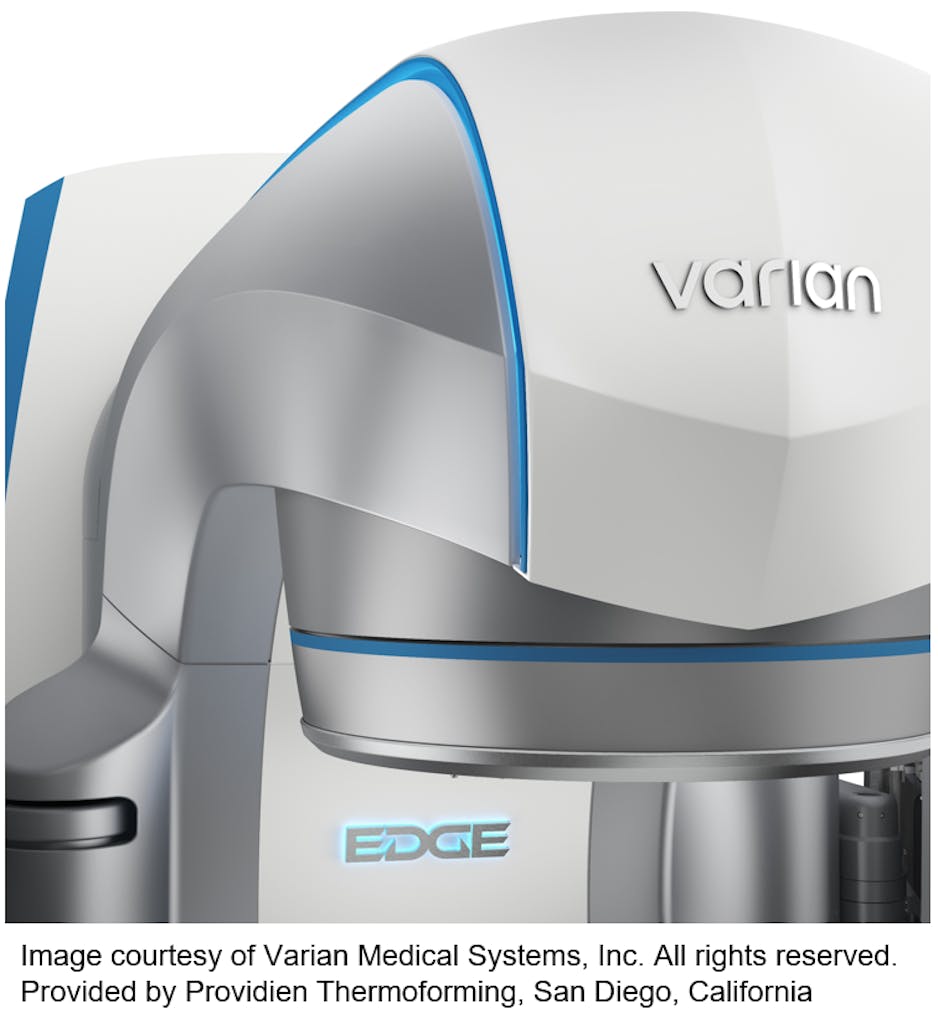
But there’s more to it. Devices with pressure-formed covers, like MRI and CAT scan machines, have been thoughtfully designed to generate confidence and help calm anxious patients. Custom color, specialized texture, and bespoke designs all contribute to making medical equipment feel less clinical and more approachable. I’ve experienced this firsthand, reporting excitedly back to Mark about what I’d seen when I went for my annual mammogram (pale pink machine!) and took loved ones for multiple procedures involving large machines. (I guarantee you’ll look at these devices differently the next time you visit a healthcare facility.)
What Can Transportation Designers Learn?
As a transportation interior designer, I’ve faced many similar challenges to those experienced by healthcare designers: strict regulatory standards, rigorous cleaning requirements, and the need to balance durability with brand expression. In aviation, we too have the responsibility of building trust on behalf of our airline clients – especially with Type-A frequent flyers who have reluctantly relinquished control to get from point A to point B in a silver tube.
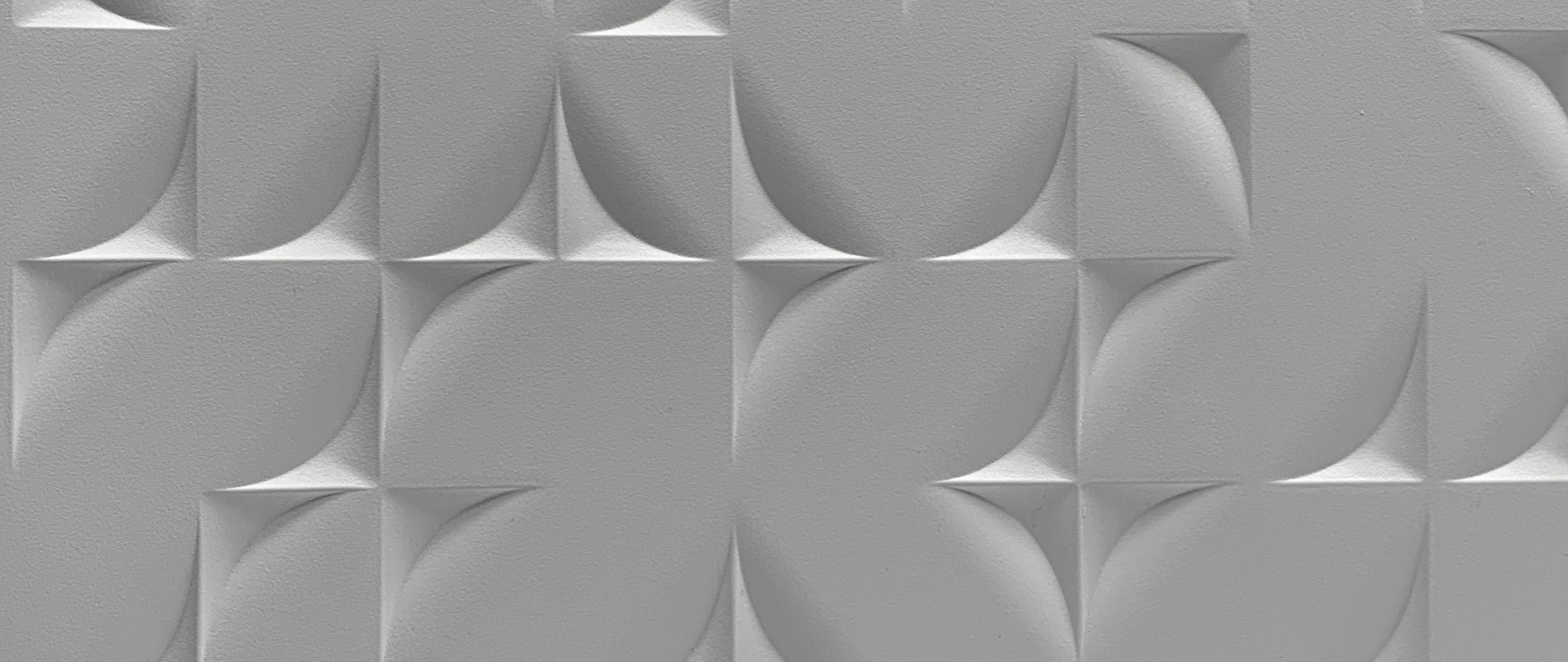
Pressure forming brings a level of craftsmanship, refinement, and control that defines high-quality design. In healthcare, these capabilities send a message of professionalism that assures patients and makes monitoring equipment feel less intimidating and more human. In aviation, it enables previously unachievable applications – beautifully sculpted feature walls with in-mold color, suite doors with bespoke branding, and nuanced details that respond dynamically to light. Add the ability to create undercuts, tight radii, and integrated textures, and suddenly a single material can support both functionality and the emotive side of design.
Unifying Aesthetics and Performance
One of the most exciting pieces we’ve developed at SEKISUI KYDEX is our new Harmonization Tool. Created by Mark Denning in collaboration with our appLab™, this sample was designed to illustrate for the medical device community what’s possible with pressure forming and injection molding, two processes that complement one another depending upon the need. This spring, I’ll be bringing the Harmonization Tool to the Aircraft Interiors Expo (AIX) so our transportation guests can experience firsthand how pressure forming gives airlines and rail operators a powerful way to elevate design and differentiate their brand.

Design in Harmony Without Compromise

Whether you’re shaping the look of a medical device or the interior of an aircraft cabin, the same principles apply: thoughtful material selection, disciplined color strategy, and a commitment to making every touchpoint meaningful. As industries continue to evolve, so does the opportunity for designers to learn from one another and expand what’s possible.
I became a believer in pressure forming after seeing the beautiful results that can be achieved. Many people mistakenly feel that pressure forming is too costly without educating themselves on the process. If a program is large enough with similar parts, the expense of the tool is minimized when spread out over the entire program. For those who value high-quality design and are seeking to differentiate their brand from others, I encourage you to explore it further before you begin the design process. Ultimately, pressure forming isn’t just a way to make parts – it’s a way to craft memorable passenger experiences.
Let’s keep the conversation going. What challenges are you facing, and how can pressure forming help you achieve your goals? I look forward to exploring the possibilities together.

Leave a Reply