KYDEX® Surface Textures of Thermoplastic Sheet
INTRODUCTION
SEKISUI KYDEX offers eight different textures ranging from high-gloss smooth to leatherette. Each texture presents its own unique opportunities and challenges. Textures are embossed into the sheet during the extrusion process, so available embossings may be limited based on KYDEX® sheet grade, thickness, or width. Talk with your KYDEX® thermoplastic sheet representative for more details. The following is a summary of each texture.
STANDARD KYDEX® SHEET TEXTURES
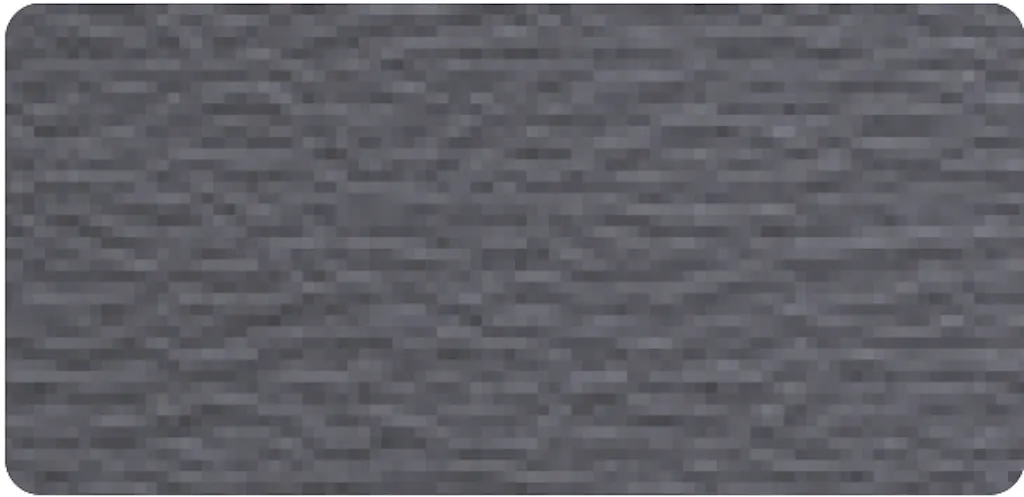
P-1 Haircell
- Best abrasion resistance
- Excellent for high abuse areas
- Can tend to have higher metamerism in highly chromatic colours
- Common texture available for many years
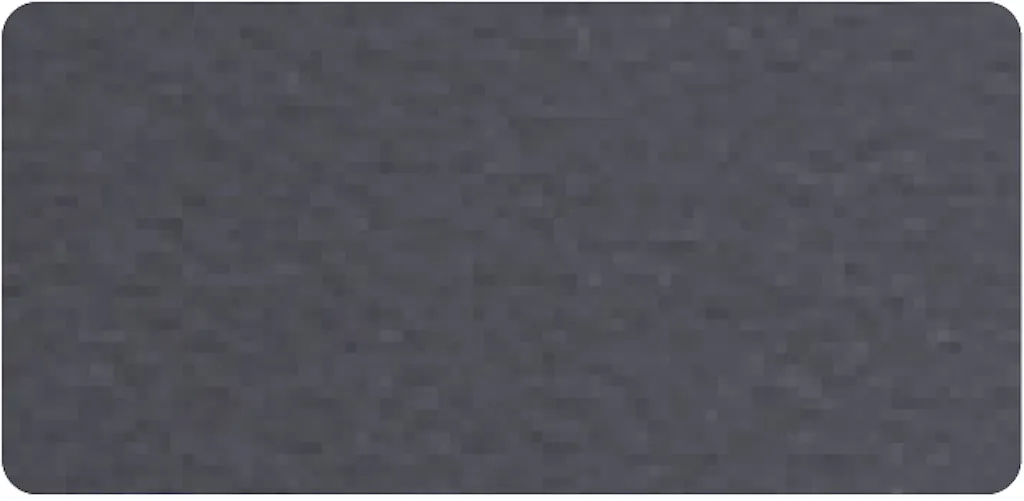
P-3 Velour Matte
- Excellent abrasion resistance
- Easy to control gloss when formed
- Most widely specified texture for aircraft components
- Remains very “matte” if formed properly and most looks like a painted composite panel
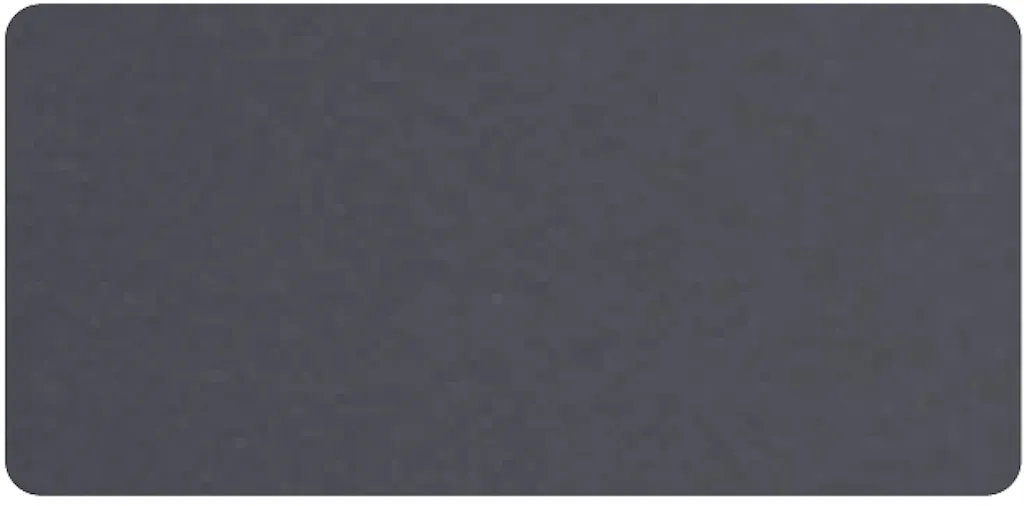
P-8 Suede
- Good abrasion resistance but can show marring in light colours
- Excellent for textured female molding
- Great for flat laminations but can “gloss up” when vacuum formed

P-A Smooth
- Polished, high gloss appearance
- Prone to scratching
- Cannot be produced in low smoke formulations
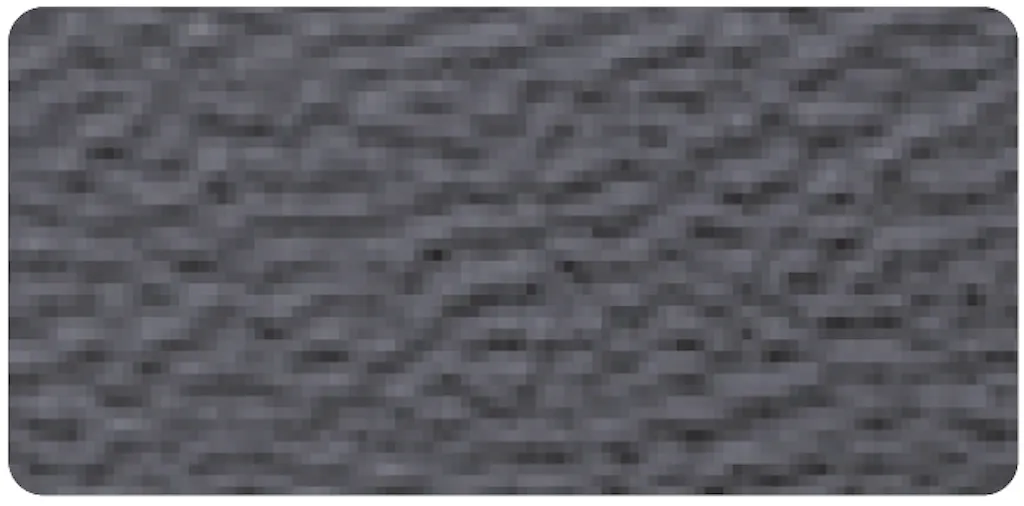
P-C Level Haircell
- Leatherette appearance
- Good scratch resistance
- Common for high abuse areas
- Easy to control gloss level when thermoforming
STANDARD KYDEX® SHEET TEXTURES

P-E Smooth Nap
- Similar characteristics to P-8 Suede texture
- Slightly more embossing compared to P-8 Suede texture
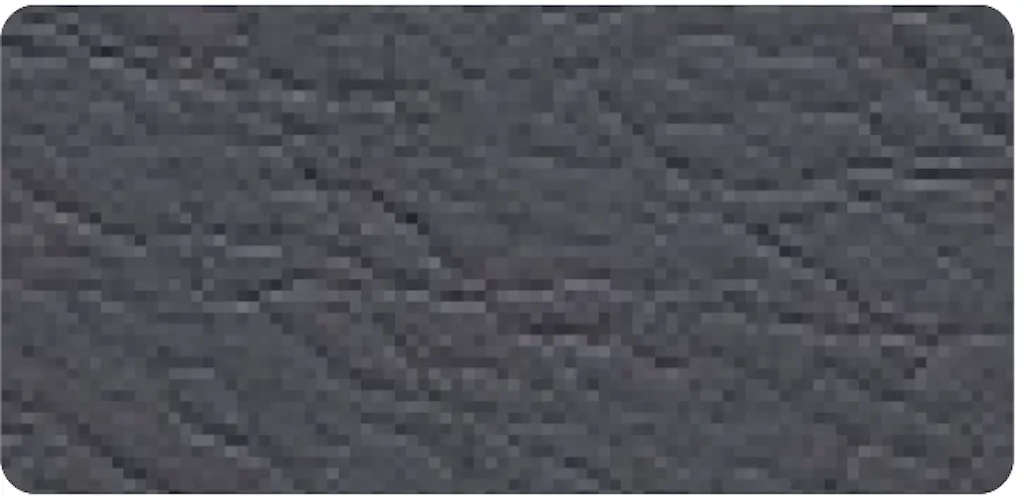
P-H Seville
- Leather/cowhide grain type texture
- Not recommended for deep draw parts due to texture stretch
- Often used against similarly grained leathers
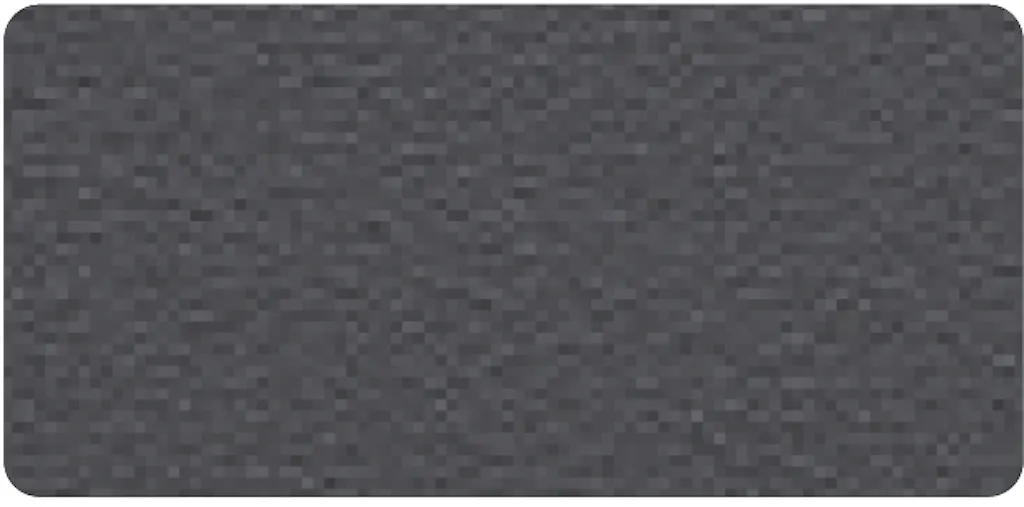
P-K Cashmere
- High abrasion resistance
- Excellent for flat lamination or shallow draw components
- Not recommended for deep draw or tight radii due to glossing
TEXTURE CHARACTERISTICS
Cleaning
KYDEX® sheet has excellent chemical resistance and is easily cleaned with many common household cleaners such as Fantastik® and Formula 409®. The texture of KYDEX® sheet plays a major role in the ease of cleaning. Shallow textured sheet can easily be cleaned with a soft cloth, while a heavier texture may require use of a scrub brush to remove material from texture valleys. For more information on cleaning of KYDEX® sheet, please refer to our Technical Brief on our website at www. sekisui-spi.com.
Ease of Cleaning
| Highest | Lowest | ||||||
|---|---|---|---|---|---|---|---|
| P-A Smooth | P-8 Suede | P-K Cashmere | P-E Smooth Nap | P-3 Velour Matte | P-H Seville | P-C Level Haircell | P-1 Haircell |
| Soft cloth minimum scrubbing | Soft cloth little scrubbing | Brush may be necessary to clean valleys | |||||
Abrasion/Mar Resistance
KYDEX® sheet is commonly used in high abuse applications, where it is important that the appearance of the sheet is maintained throughout the life of the material. Many of the standard textures have been developed to offer high levels of abrasion and mar resistance, providing not only superior durability but also lasting appearance.
Abrasion Resistance
| Highest | Lowest | ||||||
|---|---|---|---|---|---|---|---|
| P-H Seville | P-1 Haircell | P-C Level Haircell | P-K Cashmere | P-E Smooth Nap | P-3 Velour Matte | P-8 Suede | P-A Smooth |
TEXTURE CHARACTERISTICS
Tooling Marks
Texture rolls are produced through an engraving process that uses a machining tool to cut the texture into the face of a cylinder roll. This tool has a specific width, which machines multiple sections across the width of the cylinder roll. Points on the engraved cylinder where the tooling sections meet have a faint transition line. These lines leave a faint impression in the sheet surface and are more noticeable in darker coloured sheet.
Textures that have tooling marks include P-1 Haircell, P-8 Suede, P-C Level Haircell, P-E Smooth Nap, and P-H Seville.
P-3 Velour Matte, P-K Cashmere and P-A Smooth are non-directional patterns that do not show tooling marks from the engraving process.
Gloss Level
The gloss level of KYDEX® sheet is determined by the process rolls used to texture the sheet. Most texturing rolls produce a low gloss appearance, with the exception of P-A Smooth, which has a higher gloss due to its polished surface. If necessary, a higher gloss can be achieved by adjusting the process conditions of the texturing rolls in all textures except P-H Seville. The level of gloss achievable will be limited according to the process capabilities of each texturing roll. In addition, in achieving a higher gloss level, the texture of the sheet will be less defined and will have a washed out appearance.
Because we cannot anticipate or control the many different conditions under which this information and our products may be used, we do not guarantee the applicability of the accuracy of this information or the suitability of our products in any given situation. Users should conduct their own tests to determine the suitability of each product for their particular purposes. Data in the physical property table represents typical values and are to serve only as a guide for engineering design. Results are obtained from specimens under ideal laboratory conditions. Right to change physical properties as a result of technical progress is reserved. THE PRODUCTS DISCUSSED ARE SOLD WITHOUT WARRANTY OF MERCHANTABILITY OR FITNESS FOR A PARTICULAR USE, EITHER EXPRESSED OR IMPLIED, EXCEPT AS PROVIDED IN OUR STANDARD TERMS AND CONDITIONS OF SALE. Buyer assumes all responsibility for loss or damage arising from the handling and use of our products, whether done in accordance with directions or not. In no event shall the supplier or the manufacturer be liable for incidental or consequential damages. Also, statements concerning the possible use of our products are not intended as recommendations to use our products in the infringement of any patent. Consult local code and regulatory agencies for specific requirements regarding code compliance, transporting, processing, recycling and disposal of our product. Product not intended for use as a heat resistant surface. Texture, product grade and other conditions may cause variations in appearance.
This information supersedes all previously published data.